Posted on 03/10/2026
Permits for street flower displays Hammersmith and Fulham Council: what businesses need to know
If you are planning flower displays outside a shop, cafe, salon, hotel, or event space, the permit side of things can feel a bit murky at first. That is usually the awkward bit, isn't it? The flowers are the easy part; the pavement, licensing, and council rules are where people suddenly start double-checking everything. This guide on Permits for street flower displays Hammersmith and Fulham Council breaks it down in plain English, so you can understand what matters, what to prepare, and how to avoid the kind of delays that make a simple frontage project drag on for weeks.
You will find practical guidance here on why permits matter, how the process usually works, who needs one, and the common mistakes people make when putting floral displays on or near the street. We will also cover best-practice planning, compliance checks, and a realistic example from a Hammersmith and Fulham-style high street setting. Let's keep it useful and to the point.
Quick takeaway: if your display may affect the public highway, footway access, pedestrian flow, or business frontage use, get clarity before you place the first planter. It is far easier to sort it out early than to move a display later with customers watching and a wet box of roses on the pavement. Nobody needs that.
For readers also looking at wider floral planning and customer-facing displays, it can help to think about how your front-of-house flowers connect with your wider brand. A professional local florist in Hammersmith W6 can help shape a display that looks right, lasts well, and feels appropriate for the setting.
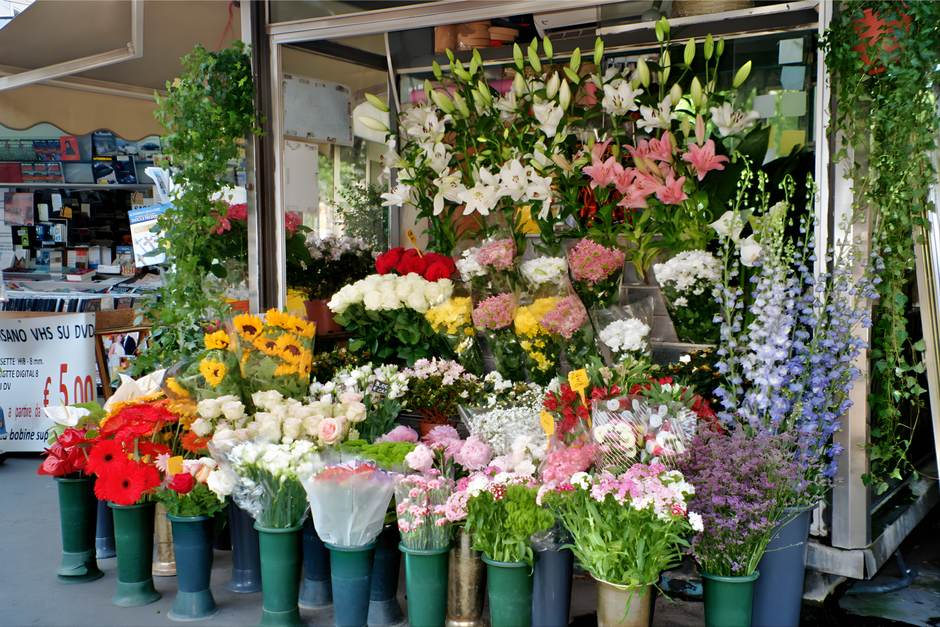
Why Permits for street flower displays Hammersmith and Fulham Council Matters
Street flower displays sound harmless. In many cases they are. But once a display sits near the public highway, the issue stops being only decorative and becomes operational. The council has to think about pedestrian safety, accessibility, public space use, and whether the display could create a nuisance or obstacle. That is especially relevant in busy parts of Hammersmith and Fulham where footfall changes quickly through the day and pavement space can be tight.
A display that looks elegant at 9am can feel crowded by lunchtime when prams, wheelchairs, delivery riders, and people on the school run all pass through the same stretch of pavement. This is why a permit, licence, or formal permission may be needed before anything goes out on the street. It helps separate a tasteful frontage from an accidental obstruction. And yes, the line can be finer than people expect.
There is also a reputational angle. When a business takes the time to do things properly, it tends to look more considered overall. Customers notice those small details. A neat, well-placed floral arrangement can make a shopfront feel welcoming, while a display that looks improvised or too large can do the opposite. Truth be told, good street presentation is partly design and partly respect for shared space.
For some businesses, the permit question also comes up alongside wider delivery or customer-service decisions. If you are already thinking about your storefront, opening hours, and presentation, you may want to look at other practical local options too, such as flower delivery in Hammersmith W6 or same-day flower delivery in Hammersmith W6 for event-driven or last-minute needs.
Expert summary: The permit is not just paperwork. It is a way to check that your display is safe, proportionate, and suitable for a shared public environment.
How Permits for street flower displays Hammersmith and Fulham Council Works
While exact requirements can vary depending on the location, the type of display, and whether it sits on private land or public highway land, the logic is usually consistent: you explain what you want to place, where it will sit, how large it is, how long it will stay in place, and how you will keep it safe and tidy.
In practice, a council will normally want to know whether the display is:
- fully on private property
- partly on the pavement or highway
- fixed in place or temporary
- likely to narrow the walking route
- near an entrance, crossing, kerb, or busier footway
If your flowers are on private land and do not affect public access, the permit question may be simpler. If the arrangement extends into public space, or if customers will naturally gather around it, then permission is more likely to matter. That distinction sounds obvious, but in real life the boundary is often a few inches and a judgement call. A planter that is "just about off the pavement" may still prompt a review if it visually or physically affects movement.
Street flower displays can also raise practical questions around maintenance. Who waters them? Who removes dead stems? What happens during high winds, heavy rain, or a weekend when staff are short? A display that starts beautifully and then droops by Thursday is not a great look. Councils tend to prefer arrangements that are stable, well kept, and not likely to become clutter.
To keep the process moving, many businesses prepare a simple pack before approaching the council or their property manager. That pack often includes a sketch or photo of the frontage, dimensions of the display, proposed materials, and a short note explaining how pedestrian access will remain clear. Nothing fancy. Just sensible detail.
Key Benefits and Practical Advantages
It is easy to think the main benefit of a permit is compliance. That is true, but it is not the whole story. A well-handled permit process can support the business in several ways.
- Fewer surprises: You know what is allowed before spending money on planters, stands, or floral installations.
- Better safety: Clear routes and sensible placement reduce the risk of obstruction.
- Stronger presentation: A properly planned display often looks more polished and intentional.
- Lower disruption risk: You reduce the chance of being told to remove or adjust the display at short notice.
- Better customer experience: People can enjoy the flowers without feeling squeezed past them.
- Cleaner maintenance routine: When the space and responsibilities are clear, upkeep becomes much easier.
There is also a subtle commercial advantage. Customers tend to associate tidy, attractive frontage with care in the rest of the business. It is a small thing, but small things add up. A shop with fresh flowers by the entrance often feels more alive, more human, more worth stepping into.
If your floral display is part of a wider seasonal or hospitality theme, it may help to coordinate it with your other materials. For example, recurring floral themes or stocked arrangements can be aligned with products from best-selling flowers or a broader range such as all flowers to keep the style consistent. That kind of consistency matters more than people think.
Who This Is For and When It Makes Sense
This topic is most relevant for business owners, managers, and property occupants who want to place flowers where the public will see them, pass them, or interact with them. That can include:
- independent florists with pavement-facing displays
- cafes and restaurants with front-of-house decoration
- hotels, salons, and clinics wanting a softer entrance
- event venues and wedding suppliers using street-visible floral features
- shops testing seasonal or promotional frontage displays
- property managers coordinating a shared frontage
It also makes sense for businesses that are not sure whether their display counts as decorative rather than operational. Sometimes a few pots of flowers at the threshold are fine. Sometimes they are not. The awkward middle ground is where people get caught out.
Let's face it, the moment your display starts encouraging people to stop for photos, queue beside it, or drift into the road edge, you are no longer just "adding flowers". You are managing public space whether you meant to or not.
For event-led businesses, the question often arises around weddings, corporate receptions, and seasonal launches. If that sounds familiar, you may also want to review options like wedding flowers in Hammersmith W6 or corporate accounts if you regularly order floral displays across multiple sites or events.
Step-by-Step Guidance
Here is a practical route you can follow without overcomplicating things.
- Define the display clearly. Write down what you want to place, where it will sit, and how long it will remain there. Temporary and permanent displays are not handled the same way.
- Measure the space. Take width, depth, and any relevant clearance measurements. If the display is beside a doorway or walkway, this becomes even more important.
- Check whether the area is public or private. This is the first big filter. If the arrangement sits on the public highway or affects access, permission becomes far more likely to matter.
- Prepare visuals. A simple sketch or photo mock-up helps the council understand intent quickly. Nobody wants to guess from a vague email.
- Think about maintenance. Explain who will water, tidy, and remove the display if needed. Councils like plans that show responsibility.
- Review access issues. Keep routes clear for pushchairs, wheelchair users, people with visual impairments, and delivery access. That part is non-negotiable in spirit, even if the exact rules vary.
- Submit the request or enquiry. If the council needs further detail, answer promptly. Slow replies are a common reason applications sit in limbo.
- Wait for confirmation before installation. A very ordinary but important point. Do not build first and ask questions later. That tends to end badly.
- Install carefully and monitor regularly. A permitted display still needs daily common sense. Flowers move, planters shift, and weather is not always kind.
Small note from experience: the more visual and concise your submission is, the easier it is for people to understand what you mean. A neat one-page explanation often beats a long, tangled email chain. Fancy words are optional. Clarity is not.
Expert Tips for Better Results
If you want a display that feels stylish rather than accidental, a few practical choices make a real difference.
Choose displays that can be controlled easily. Light planters, stable stands, and compact arrangements are easier to manage than oversized pieces that creep into footway space. Big is not always better. Sometimes it just means awkward.
Match the display to the frontage. A narrow pavement outside a busy parade of shops calls for restraint. A wider setting may allow more creativity. Scale matters more than the flowers themselves, to be fair.
Use hardy flowers where possible. If your display will sit outside for long periods, choose stems and containers that cope with British weather, passing traffic, and the odd gust that shows up uninvited. Seasonal choices can also help, especially if you want the display to feel fresh without constant replacement.
Build a maintenance routine. Someone should check the display each morning, remove damaged blooms, wipe down containers, and keep nearby surfaces tidy. It sounds a bit mundane, but this is where polished fronts stay polished.
Keep sightlines open. Do not block signage, door handles, steps, or route markers. If customers have to sidestep flowers before they can read where to go, the display is doing too much.
Plan for bad weather. Rain, wind, and cold can quickly turn a beautiful entrance into a soggy bundle. Have a backup plan for moving or protecting the display when needed.
If you need flowers that are intended for public-facing presentation rather than a one-off hand delivery, you can also explore seasonal ranges such as summer flowers or more formal presentation styles like luxury flowers. The style should always suit the setting, not just the occasion.
Common Mistakes to Avoid
Most problems with street flower displays are not dramatic. They are just small oversights that stack up.
- Assuming no permit is needed. If the display touches public space, do not guess.
- Using vague measurements. "It should fit" is not a measurement.
- Ignoring access routes. A beautiful display that narrows the pavement can still be a problem.
- Overcrowding the frontage. More flowers can look less elegant if the space is tight.
- Forgetting upkeep. Tired flowers make the whole frontage look neglected.
- Placing items too close to entrances. Doors need a clean, unobstructed approach.
- Starting work before approval. This is the classic avoidable headache.
- Failing to coordinate with neighbours or landlords. In shared buildings or parades, that can create friction fast.
A practical example: a cafe puts two large planters outside the entrance because they look lovely in the morning light. By late afternoon, a delivery rider has to edge around them, a parent with a buggy hesitates, and a customer struggles to see the door sign. Nobody intended a problem, but there it is. The fix would probably have been simple. A little narrower, a little further back, and much better.
The other common mistake is treating the display as a one-time project. It is not. Outdoor floral presentation is a living thing, and it needs checking. If that feels like extra work, it is. But the kind of work that pays back in appearance and fewer complaints.
Tools, Resources and Recommendations
You do not need a huge toolkit to get this right, but a few basic items make the process smoother.
- Measuring tape: essential for confirming width, depth, and clearance.
- Camera phone: useful for documenting the existing frontage and proposed layout.
- Simple sketch pad or digital note: good for marking positions and dimensions.
- Weather-resistant planters: better than lightweight containers that tip or crack.
- Watering plan: especially important for displays that stay out all day.
- Cleaning materials: keep the frontage neat and free of fallen petals or soil spill.
For businesses that regularly update floral installations, it may also help to keep a small internal reference sheet with the date, display location, responsible staff member, and any council notes. That sort of habit sounds boring until it saves time later. Then it feels very clever indeed.
Some businesses also find it useful to work from recurring product types so that replacements are easy. A few practical examples include flowers in a vase for contained displays, or flowers by post in Hammersmith W6 when you need straightforward replenishment for a front counter or lobby arrangement.
And if presentation is only one part of the bigger picture, you may want to review general business policies too, such as delivery information, guarantees, and returns and refund guidance. They do not replace permit advice, of course, but they help when your floral display is tied to customer orders or wider service delivery.
Law, Compliance, Standards, or Best Practice
This is the section where caution matters. Permits for street flower displays Hammersmith and Fulham Council may sit at the intersection of local highway controls, business permissions, landlord requirements, accessibility expectations, and general duty of care. Exact rules can depend on the site, the type of display, and whether anything is placed on land that falls under council control or other property arrangements.
So the safest approach is to treat any street-facing display as something that needs a compliance check before installation. In practical terms, that usually means:
- confirming ownership or control of the space
- checking whether access is kept clear
- avoiding obstruction of public routes
- keeping the display stable and safe
- using materials that will not create hazards if knocked
- keeping the frontage tidy and maintained
Accessibility is a big part of this. If someone using a wheelchair, walking frame, or pushchair has to move into the road edge because of your display, that is a problem even if the flowers are beautiful. The same applies to poor visibility around corners, entrances, and crossings. In these situations, good judgement matters as much as paperwork.
Best practice also means avoiding overstatement. If you are not sure whether a permit is needed, do not assume the answer. Ask. Keep written notes. Save confirmation emails. The simple stuff. Honestly, that habit saves people more headaches than any fancy design trick ever will.
For businesses hosting weddings, seasonal installations, or memorial arrangements near the street, the same principle applies: the display should be suitable for the setting, respectful of the space, and safe for the public. If your frontage is tied to special events, products such as weddings or sympathy flowers may be relevant in a broader planning sense, provided they fit the context and the exact arrangement is permitted.
Options, Methods, or Comparison Table
Not every floral frontage needs to work the same way. Some businesses need a temporary display for an event; others want a regular street-side arrangement. Here is a simple comparison to help you think it through.
| Option | Best for | Practical upside | Main caution |
|---|---|---|---|
| Temporary street display | Events, launches, seasonal promotions | Flexible and easy to update | Still needs access and safety checks |
| Fixed frontage display | Permanent shop presentation | Consistent brand look | May need stronger permission and maintenance planning |
| Private-land display only | Entrances set back from the pavement | Often simpler to manage | Must stay clearly within private boundary |
| Large decorative installation | Weddings, launches, hospitality venues | Visually striking | Can create access or stability issues if oversized |
A lot of businesses find that a smaller, tidy display works better than a grand one. The eye reads quality faster than quantity. A compact, deliberate arrangement often feels more expensive than a crowded one, which is a bit of a nice trick if you can manage it.
If you are choosing between styles, think about how the display will look at 8am, 1pm, and just before closing. That time-based view is surprisingly helpful. A good display should still look calm when the day gets busy.
Case Study or Real-World Example
Imagine a small independent cafe on a busy Hammersmith side street. The owner wants two floral tubs outside the front window to soften the look of the frontage and make the entrance feel warmer. At first glance, it seems simple. But the pavement outside narrows at one point, there is a neighbouring doorway, and delivery riders regularly pass through at lunchtime.
Instead of placing the tubs straight away, the owner sketches the frontage, measures the available space, and keeps the display closer to the wall. The flowers chosen are compact, weather-tolerant, and easy to refresh. The plan is shared with the building manager and the council route is checked before installation.
The result is not dramatic, which is exactly the point. Customers notice the freshness, the frontage looks cared for, and nobody has to shuffle awkwardly around the planters. No drama. No complaint pinned to the door. Just a better first impression.
In a slightly different version of the same scenario, the display had been placed too far out. One rainy Friday, it would have felt cramped, muddy, and inconvenient. The difference between those two outcomes is often just a few careful decisions made early.
Practical Checklist
Use this checklist before you place or order any street-facing floral display.
- Have I confirmed whether the display is on private land or public space?
- Do I know whether a permit, licence, or permission is needed?
- Have I measured the space properly?
- Will people still have a clear walking route?
- Does the display block any doors, signs, or access points?
- Have I planned for watering, tidying, and replacement blooms?
- Is the container stable enough for wind and weather?
- Have I kept the design proportionate to the frontage?
- Do I have photos or a sketch ready if asked?
- Have I kept a written record of any approvals or advice?
If you can tick most of those off confidently, you are in a much better position. If not, pause and sort the gap before the flowers arrive. It really is worth the extra hour.
Conclusion
Permits for street flower displays Hammersmith and Fulham Council are not just an administrative detail. They are part of doing things properly in a shared urban space where presentation, access, and safety all have to sit together. When the process is handled well, the result is a display that feels natural, polished, and welcome rather than awkward or risky.
The best approach is straightforward: define your display clearly, check the space carefully, keep access open, and ask for permission or guidance before you install anything that could affect the public realm. That keeps your project calmer from the outset and usually leads to a better final result.
And if you are planning a display that needs to look lovely while staying practical, take your time with it. A thoughtful frontage has a way of making a business feel more grounded, more inviting, and just a little more special on an ordinary street.
Get a free quote today and see how much you can save.
When done well, flowers on the street do more than decorate a doorway. They help a place feel cared for, which is no small thing in a busy London neighbourhood.
Frequently Asked Questions
Do I need a permit for a small flower display outside my shop?
Possibly, yes. It depends on whether the display sits entirely on private property or affects the public highway, pavement, or access route. Even a small arrangement can matter if it changes how people move past the frontage.
What counts as a street flower display?
Usually, any floral arrangement, planter, container, or decorative installation placed where it is visible from or positioned on a street-facing public area. The exact interpretation can vary, which is why the location matters so much.
How long does approval usually take?
That depends on the council process, the complexity of the display, and whether further information is needed. Simple applications tend to move faster than anything with unclear measurements or access issues.
Can I place flowers on the pavement without asking?
You should not assume so. Pavement space is public space, and if your display affects access or safety, permission is often needed. It is always safer to check first rather than remove the display later.
What information should I prepare before applying?
Have measurements, photos or a sketch, a short description of the display, how long it will stay in place, and a note on how you will keep the area clear and maintained. That usually makes the process smoother.
Are temporary displays treated differently from permanent ones?
Yes, often they are. Temporary displays for events or seasonal promotions may be assessed differently from fixed frontage arrangements, but both still need to be safe and non-obstructive.
What if my frontage is very narrow?
Then restraint matters even more. Narrow frontages usually need smaller containers, tighter placement, and careful attention to pedestrian clearance. A slim, elegant display often works better than a bigger one.
Can floral displays affect accessibility requirements?
Absolutely. If a display narrows the route for wheelchair users, pushchairs, or people with mobility needs, it becomes a real issue. Accessibility should be treated as part of the design, not an afterthought.
What are the most common reasons a display gets challenged?
The usual problems are obstruction, poor placement, unstable containers, lack of upkeep, and displays that are larger than the space can comfortably handle. Most of these are preventable with a bit of planning.
Should I involve my landlord or building manager?
Yes, if the frontage is part of a managed building or shared property. It is much easier to agree the plan up front than to deal with complaints once the display is already in place.
Can I use the same flowers all year round?
You can, but it is often better to adapt seasonally. Weather, daylight, and customer expectations change through the year, and the best displays usually change with them. A summer arrangement and a winter arrangement rarely need to look the same.
Where does a florist fit into this process?
A good florist helps you choose flowers and containers that suit the space, the climate, and the style of the business. They can also help you think through practical presentation, not just appearance, which is often where the real value is.